Spoiler Alert: This review discusses key plot points and the ending of the book.
The Stranger by Albert Camus was a game changer when it was first published in 1942. It arrived at a time when the world was in chaos, and Camus basically said — all the things people believe give life meaning? It’s all just an act.
Much has been written about the absurdist and existentialist themes in this book, and those arguments have merit. But this review takes a different angle.
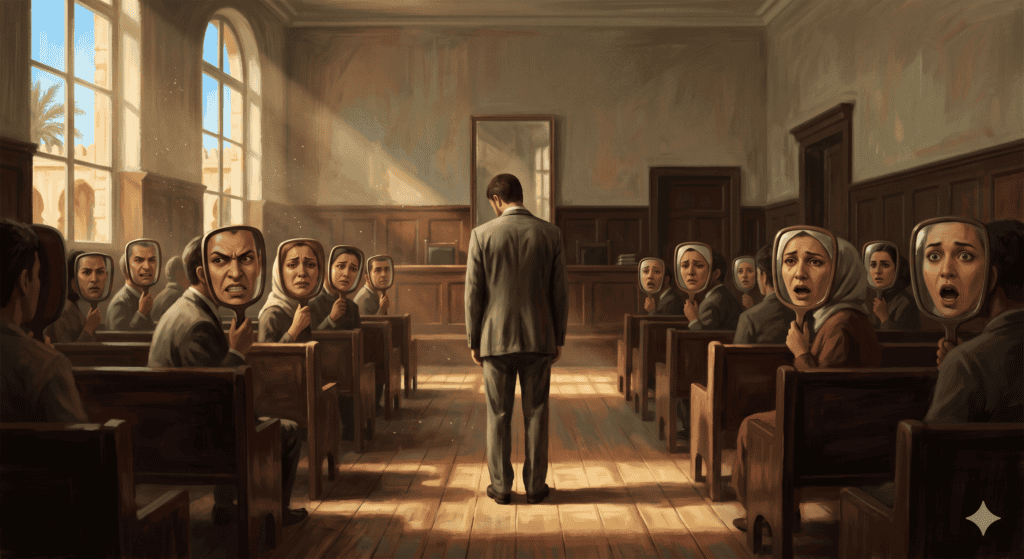
What Camus did was clever. He put readers into two camps. One camp reads the book and doesn’t see anything wrong with how Meursault is treated. The other camp finally found a voice against the kind of injustice they were seeing around them every day. The book works almost like a mirror — your reaction to Meursault says more about you than about him.
And here is the thing about the first camp. People carry biases from their upbringing. They judge others for not grieving the right way, not behaving the right way, not performing emotions the way society expects. And they don’t even realize they are doing it. They think they are right. That is what makes it dangerous. This book may have started a conversation around that, and for that alone it deserves its place in literary history.
Now here is what I felt reading this book. I found myself concentrating on the crime itself, and everything else felt like noise. Meursault shot a man. Whether he cried at his mother’s funeral or watched a comedy the next day is irrelevant to that act. And I think that’s a fair question for any reader — if your sentence would change based on whether the accused wept in court, then Camus has proved his point about you. If it wouldn’t change, then the book’s central tension doesn’t really land because you are already past the problem Camus was writing about.
And that is what it feels like reading The Stranger in 2026. The ideas that felt radical in 1942 don’t hit the same way anymore. We have heard them so many times through movies, books, and conversations that they feel obvious now. It’s like watching the original Star Wars and thinking the plot is generic. It feels generic because everything after it borrowed from it.
Credit where it is due. People have grown. The conversation that Camus started has done its work over eighty-plus years. That is the strange fate of a truly influential book — it does its job so well that future readers wonder what the big deal was.